

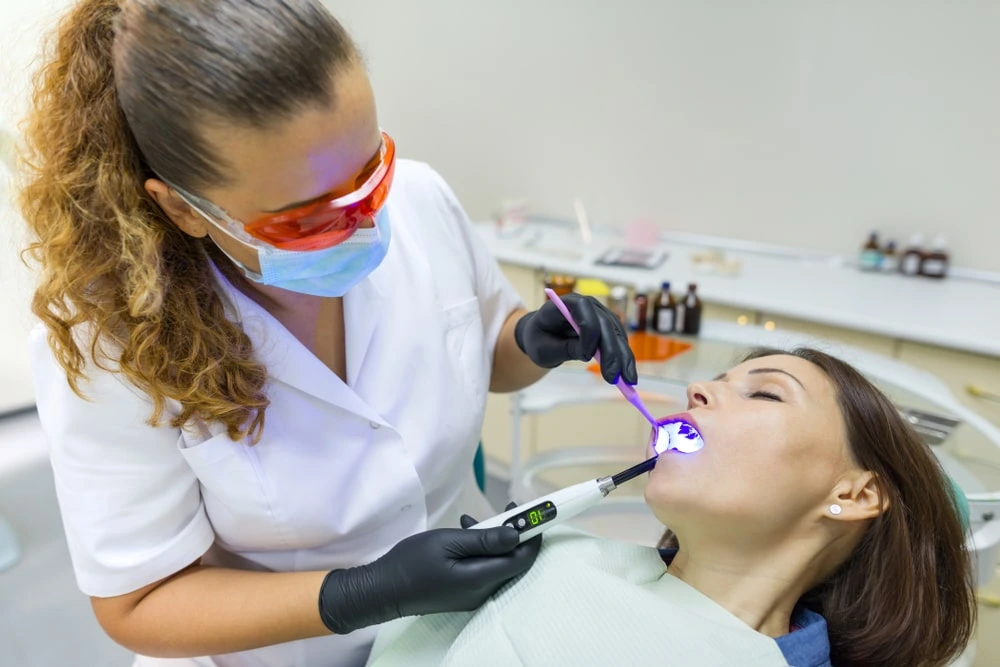
Sleep Dentistry Services have become an important option for patients who experience fear, anxiety, or discomfort during dental visits. Previously, there have been many patients who had been afraid to go into dentist because of the shot, the sounds the dentist made, dental treatment or previous bad experiences. Using carefully controlled forms of sedation, sleep dentistry helps to establish a calm environment by helping patients to feel relaxed while they are being treated.
Although this is sometimes referred to as sleep dentistry, it is not always complete sleep. Patients may be sedated from a relaxed state to a more profound state where they are less aware of the procedure. The aim of the project is to enhance the comfort of dental care and facilitate dentists’ ability to deliver effective and safe care.
Today, dental offices can provide a wide range of customized solutions that enable them to provide effective sedation for various levels of anxiety and procedures.
What Are Sleep Dentistry Services?
Sleep Dentistry Services refer to dental treatments performed with the help of sedation techniques designed to reduce fear, discomfort, and stress.
These services are especially helpful for patients who feel nervous about visiting the dentist or require extensive dental work.
Sedation allows patients to remain calm while the dental team completes necessary procedures efficiently.
Common treatments performed with sedation may include:
- Dental implants
- Tooth extractions
- Root canal therapy
- Cosmetic dentistry procedures
- Multiple dental treatments during one appointment
- Complex restorative procedures
The level of sedation depends on factors such as the patient’s anxiety level, medical history, treatment type, and personal comfort preferences.
A qualified dental professional evaluates each patient carefully before recommending the most suitable approach.
Types of Sedation Used in Sleep Dentistry
Different sedation methods are available depending on the patient’s needs.
Nitrous Oxide Sedation
Nitrous oxide, commonly known as laughing gas, is one of the mildest sedation options.
The gas is breathed in via a small mask, inducing a calm and relaxed sensation.
The patient’s consciousness is typically preserved and he or she is able to talk with the dentist during the process.
The effects wear off quickly, allowing many people to return to normal activities soon after treatment.
Oral Sedation
Oral sedation involves taking prescribed medication before the dental appointment.
This method helps reduce anxiety and creates a deeper level of relaxation.
Some patients may feel drowsy but can usually respond to instructions during treatment.
The effects may last longer than nitrous oxide, so patients often need someone to assist them after the appointment.
Intravenous (IV) Sedation
IV sedation involves administering the drug intravenously (directly into the bloodstream) so that the dentist can also control the amount of sedative used during the surgery.
This is a more advanced relaxation that is used for longer or more intricate procedures.
Patients are carefully monitored throughout the appointment for safety.
General Anesthesia
In certain cases, general anesthesia may be used when complete unconsciousness is required.
This is typically reserved for specific situations and is performed under strict medical supervision.
Benefits of Sleep Dentistry Services
Sleep dentistry offers several advantages for patients who struggle with dental anxiety or require major procedures.
One of the biggest benefits is reduced fear.
Patients who previously avoided dental care may feel more comfortable receiving necessary treatments.
Sedation also helps minimize discomfort and creates a more positive dental experience.
Another advantage is improved treatment efficiency.
Dentists can often complete multiple procedures in fewer appointments because patients remain relaxed and still during treatment.
For individuals with a sensitive gag reflex, sedation can make procedures much easier.
Sleep dentistry may also help children, individuals with special needs, or patients with strong dental fears receive appropriate care.
By reducing stress, sedation encourages better oral health habits and regular dental visits.
Who Can Benefit From Sleep Dentistry?
Sleep dentistry can be beneficial for many different types of patients.
People with dental anxiety are among the most common candidates.
Some patients are afraid because of past experiences and others are not comfortable in dental offices.
Those patients that have postponed dental treatment for years also may find that sedation is appropriate for more extensive treatment.
Sedation is useful for people who have an active gag reflex or are unable to sit still for dental appointments or are sensitive to dental treatments.
Sleep dentistry can also help people who have to undergo a long treatment like a full-mouth restoration or an implant.
But not all people will be the right candidates for sedation.
While meeting with a dentist, they will discuss medical problems, medications, allergies and general health before he or she suggests dental sedation options.
The Sleep Dentistry Process
The process usually begins with a consultation.
During this appointment, the dentist discusses concerns, treatment goals, and medical history.
Explanation of sedation options and choice of sedation most suitable for patient needs.
Patients are given instructions before treatment on their diet, drinking and medications.
A trained professional is monitoring vital signs like breathing, heart rate and oxygen during the procedure.
Patients are provided with recovery guidelines after treatment depending on how they were sedated.
Some sedation techniques enable patients to get back to their regular routine in a short amount of time, whereas additional rest and transportation are needed in other cases.
Professional advice is followed so that a safe and comfortable experience is ensured.
Safety and Considerations
Modern sedation dentistry is a safe technique when done by a knowledgeable dentist, with the correct equipment and supervision.
Dentists look through patient’s health records thoroughly before giving sedation.
All patients should always give a full history of medication, medical problems, allergies, and any previous reactions to anesthetic.
It’s important to follow the pre-treatment instructions as well for safety.
While complications are rare with this procedure, all medical interventions could have some risk to them.
You can minimize possible concerns by selecting a qualified dentist who has a vast amount of experience in the area of dental sedation.
This is evident when the patient is able to communicate with the dental team, making the overall treatment experience safer and more comfortable.
Final Thought
Sleep Dentistry Services provide an effective solution for patients who experience dental anxiety, discomfort, or fear during treatment. With the latest in sedation technology, dental practitioners can provide patients with the treatment they deserve in a more relaxed setting.
Depending on how relaxed or sedated the individual and the specific dental procedure being performed, sleep dentistry can be tailored to their needs. Helps patients overcome barriers that may prevent them from maintaining good oral health.
For anyone who has avoided dental visits because of fear or anxiety, consulting a qualified dental professional about sedation options may be the first step toward a healthier and more confident smile.
FAQs
What are Sleep Dentistry Services?
Sleep Dentistry Services are dental treatments performed with sedation techniques that help patients feel relaxed, comfortable, and less anxious during procedures.
Does sleep dentistry mean I am completely asleep?
Not always. Many sedation methods allow patients to remain awake but deeply relaxed. Complete unconsciousness is only used in specific situations.
Is sleep dentistry safe?
Yes, sedation dentistry is generally safe when performed by trained professionals who properly evaluate and monitor patients.
Who needs sleep dentistry?
People with dental anxiety, fear of procedures, strong gag reflexes, sensitive teeth, or those requiring complex treatments may benefit from sleep dentistry.
How long does recovery take after sedation?
Recovery time depends on the type of sedation used. Some methods wear off quickly, while others may require rest and assistance after treatment.
Can children receive sleep dentistry?
In some cases, children may benefit from sedation dentistry, especially if they experience extreme anxiety or require extensive dental procedures. A dentist will determine the safest option.
